A Procurement Manager's Cost Guide: Komatsu Excavator Sizes, Skid Steer Supplier Mistakes, and the Checklist That Saved Us
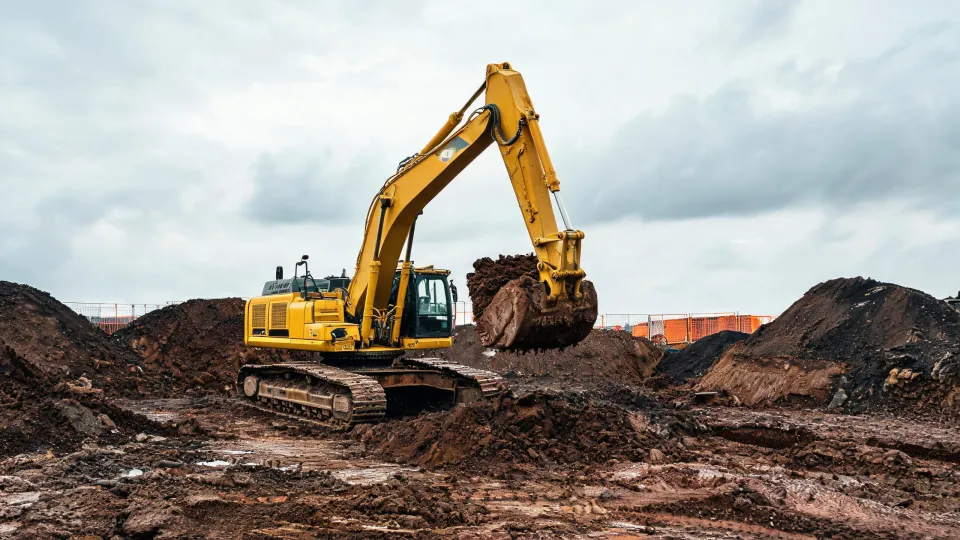
The email came in on a Tuesday morning: 14 compact excavators, mixed sizes, delivery in three weeks. I almost hit reply with a yes.
Good thing I didn't. Two years earlier, that yes would have cost us about $14,000.
I run equipment procurement for a mid-sized rental and sales operation in the Southeast. I've been handling machine orders for nine years. In that time, I've made and documented 11 significant mistakes, totaling roughly $60,000 in wasted budget. I usually keep that number private, but if you've ever purchased a small fleet of Komatsu excavators, you'll understand why I'd rather share it than watch someone else repeat it.
We buy Komatsu equipment primarily. Compact excavators for the rental fleet, skid steers for resale, and whatever parts or final drives the shop tells me to order. The full-line coverage matters because we don't have the staff to chase five different OEMs. One supplier, one warranty process, one parts list. That was the theory. It took me a while to actually follow it.
I wasn't always a checklist person. I came from operations, where you fix machines, not processes. My first purchasing mistake was a process problem, and it happened because I treated buying a machine like changing a filter.
Lesson one: Komatsu excavator sizes are not optional
In my first year (2017), I made the classic mistake: I treated 'compact excavator' as one category. We needed machines that could carry a 12-inch auger and still fit into small residential backyards. I saw that Komatsu offered a PC27 and a PC35 and assumed they were basically the same machine with a different decal.
They are not. The PC27MR is roughly 2.7 metric tons. The PC35MR is roughly 3.5 metric tons. That's a 30 percent jump in operating weight, and that translates into different hydraulics, different attachment compatibility, and—most importantly—different jobsite capability. I didn't know that at the time. I didn't even know to ask.
We ordered four PC27s, paid roughly $33,000 each, and put them into our rental fleet. Then the first customer asked whether the machine could run a 12-inch auger. It could, but it struggled. We'd also under-priced the daily rate, because I had set it based on our old machine's category rather than the PC27's actual size class.
The result was a pile of small costs. We had to rent two PC35s from a local dealer for three weeks while our PC27s sat in the yard. That rental bill was $2,100. We lost another $1,800 in rental income because we were too stubborn to reprice the PC27 properly. That's $3,900 on a $132,000 order. Not catastrophic, but completely avoidable.
Why do size classes matter? Because bucket options, coupler styles, transport dimensions, and daily rates are all tied to operating weight. A PC09 and a PC18 might both be 'mini excavators,' but they do not fit the same trailer and they do not command the same rate. The size chart is not a suggestion. It's the basis of every decision that comes after it.
I don't have hard data on how many buyers make this mistake. But based on the calls I've taken, my sense is that enough of us have done it to fill a training class.
The lesson cost me something between $4,000 and $6,000 when you count rework and lost confidence. The follow-up lesson was a lot more expensive.
Lesson two: a skid steer supplier is more than a price quote
The supplier mistake happened in September 2022. We were expanding our used-equipment line, and I found a wholesaler offering six skid steers for $1,200 per unit less than our normal Komatsu dealer. I told myself the machines were the same and support was just a phone call away. I was wrong.
We saved $7,200 on the upfront price. Then the third week, a final drive failed on one of the units. The wholesaler didn't carry Komatsu final drives. They had no parts network. They said the best they could do was order from a distributor and 'maybe ship by the end of the month.'
We had to source the final drive from across the country, pay overnight freight, and keep the machine parked for nine days. Let me give you the breakdown, because this is where the math gets uncomfortable.
- Replacement final drive: $2,400
- Overnight freight: $380
- Lost rental income: $1,150
- My credibility with the shop guys: not measurable
One failure ate almost half of the upfront saving. Two more failures over the next year took the total above $8,700. By October 2023, the 'cheap' supplier was the expensive one by any reasonable math. I still kick myself for not seeing it earlier.
Never expected the cheaper supplier to be the more expensive one. Turns out the Komatsu dealer's price included something I wasn't pricing at all: parts availability, service support, and a local human being who picks up the phone. That is not a luxury. It's an efficiency asset. When a machine is down, the weekly cost of waiting is usually bigger than the monthly cost of the rental.
The guy who runs our shop said it best: 'We're not buying machines. We're buying the promise that when they break, parts are in the next room.' I didn't understand that until he said it a second time.
There's also the communication piece. We were using the same words but meaning different things. I once sent a spec sheet that said 'standard bucket with thumb.' The rep heard 'bucket with a thumb that we have in stock,' which was not the thumb we quoted. Another time I asked for a 'compact radius' excavator and didn't double-check the swing radius. We discovered the problem when the machine arrived with a tail swing too long for one of our storage bays. I said 'standard.' They heard 'standard for them.' Those two standards are not the same.
The compact excavator wholesale cost guide I wish I had
If you're looking for a clean national price list, I can't give you that. I don't have hard data on industry-wide wholesale averages. What I can say anecdotally is based on 11 Komatsu compact excavators we brought in during 2024. We buy through a wholesale/dealer arrangement, so these are not retail numbers and they're not universal. But they're real.
For zero-hour units in 2024, our landed prices leaned something like this: PC09 around $21,000; PC18 around $27,000; PC27 around $33,000; PC35 around $44,000; PC55 around $58,000.
Wait, that PC55 number—actually, I'm mixing it up with the one we bought with a cab and heat. The base machine was $58,000, but the cab version was $61,500. We bought three of each, which means yes, I just made the exact mistake I'm telling you to avoid. The difference matters because your attachment costs also scale with cab and hydraulic options.
The broader point isn't the exact price. It's the shape of the curve. Going from PC09 to PC35 more than doubles the entry price, and the operating costs scale just as quickly. A lot of first-time wholesale buyers look at a compact excavator price and assume a one-ton jump is a minor option. It isn't. The difference between the sizes is the whole business decision.
I cross-checked our numbers against Ritchie Bros. auction results from Q4 2024 and found a similar pattern: $18,000 to $65,000, depending on size, hours, and condition. Your market will differ. But if a supplier quotes you a PC35 for what everyone else calls a PC27 price, ask questions. That difference is usually hiding somewhere—underpowered machine, missing options, or a deal that evaporates when you order attachments.
Some buyers ask an easier question: 'What do compact excavators wholesale for?' The answer is impossible to give without picking a size class first. That's why I now ask the size question before the price question. Size and configuration dictate price. Price never dictates size.
I keep a simple spreadsheet with columns for size class, model, base price, options, freight, and first-year parts reserve. It sounds basic, but it changed how I negotiate. When a supplier sees that I have the full picture in front of me, the games stop.
The checklist that fixed it
The real turning point came in March 2024. A $3,200 attachment order went wrong in three different ways: wrong coupler, wrong bucket pin spacing, and a restocking fee. I had specifications in writing—but I hadn't verified them against the machine's serial number. I spent a week arguing with the supplier, then drove to the shop, measured the coupler myself, and built a pre-order checklist.
Since we put the checklist in place, we've caught 47 potential errors in 18 months. That's 47 mismatches that would have turned into return shipments, downtime, or awkward phone calls. The average time to process a compact excavator order went from five days to two days. Not because we work faster now, but because we stop mistakes before they start. Efficiency is the result, not the goal.
The short version of that checklist:
- Confirm the machine's operating weight from the Komatsu spec sheet—not from the marketing name.
- Get the bucket, coupler, thumb, and hydraulic options in writing, with model numbers.
- Ask the skid steer supplier for a parts availability list, not just a price quote.
- Verify transport dimensions and swing radius before you commit to delivery.
- Compare total landed cost: purchase price + freight + setup + first-year parts buffer.
- If a price is 10 percent below your usual source, ask why. Then ask again.
Bucket, coupler, thumb. That's the order we check now. Those three items are responsible for more returns and delays than any other part of the machine purchase. Having the right price in your spreadsheet is useless if the attachment won't fit.
I also learned to bring the mechanic into the loop before ordering. He caught two of the 47 errors just by reading the spec sheet out loud. That's not inefficiency; that's free insurance.
The machines are good. The dealer support is good. The process around the purchase is what makes or breaks the deal. I still kick myself for not figuring this out sooner, but I'm glad someone gets to read this instead of learning it the expensive way.