+1 800 SITE SVC [email protected]
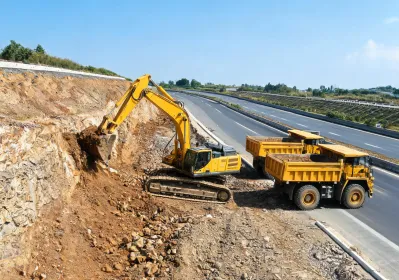
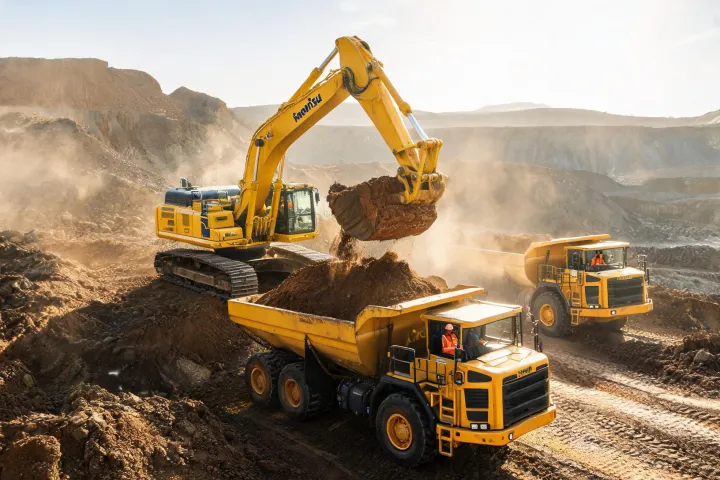
Crawler excavator loading haul trucks on mass excavation project
Field-Proven Projects

Case Studies That Show Dig Depth, Cycle Time and Uptime.

Quarry face loading, coastal foundation digs, highway cut-and-fill and urban demolition — each dossier includes excavator class, breakout force, cycle notes and customer feedback you can take to a bid review.

Four Deployments That Held the Pour Window

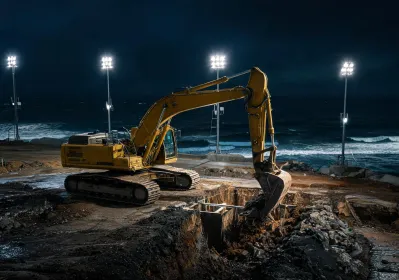
On a Gulf Coast foundation program, two 60-ton crawler excavators held 6.8 m digging depth through eight weeks of rain while hydraulic cleanliness stayed inside ISO 4406 18/16/13. Field engineers logged pin-gauge checks before every critical pour so the EPC never parked iron for unplanned stick rebuilds.

"The excavators showed up with dig charts already matched to our footing schedule." — Earthworks Superintendent, coastal EPC

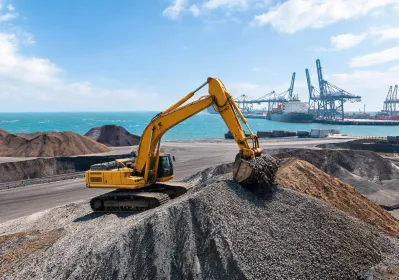
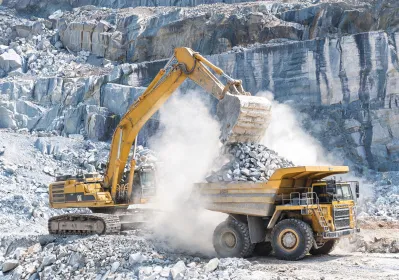
At a limestone quarry belt, HD rock buckets and quick-hitch breakers fed a jaw-cone-screen line for ninety consecutive shifts. Mean-time-to-repair on contracted faults stayed under eighteen hours because the regional parts hub staged travel motors and bucket teeth before the rainy season closed the haul road.

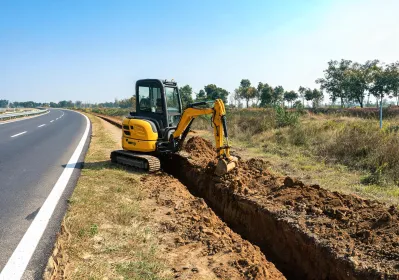
A Midwest highway widening cut used mini excavators for utility trench work beside crawler machines on mass cut. Telematics fault codes pre-staged DEF filters and hydraulic couplers so night crews never waited on dealer vans after midnight lane closures.

Urban selective demolition in a port city deployed high-reach excavators with pulverizer and shear attachments. Noise and dust plans stayed inside municipal windows while cycle videos and customer evaluations closed the project dossier for the next bid package.
Selection Considerations: Crawler vs Wheeled Excavator

Procurement teams often debate undercarriage type before locking a dig package. Both sides are valid — the site, not the brochure, decides.

Crawler excavator

Lower ground pressure (often 40–55 kPa on wide shoes) suits soft spoil, quarry floors and deep footing digs. Higher stability under breakout force above 140 kN makes crawlers the default for mass excavation and rock-bucket loading. Trade-off: road moves need a lowboy; travel between pads adds haul cost.

Wheeled excavator

Self-propelled road transfer cuts lowboy cycles on urban trench and highway shoulder work. Faster pad-to-pad moves lower operating cost when digs are shallow and frequent. Trade-off: higher ground pressure and less stability on soft or steep faces; not the first pick for deep digging depth or continuous quarry loading.

Jaw crusher feed path

When case studies involve primary crushing, jaw crushers handle hard feed (Mohs ≤ 9) with simpler maintenance. Product shape is coarser — acceptable when a secondary cone finishes the gradation.

Impact crusher feed path

Impact crushers improve cubic particle shape for asphalt aggregates, but wear parts and feed size limits raise cost on abrasive limestone. Match crusher type to finished-product specs, not excavator brand preference.

Operating Limits We Disclose Up Front

Case-study uptime assumes the following boundaries — outside them, dig charts and MTTR targets need re-scoping.

Case Study Briefing Questions

Answers procurement teams ask before referencing a Komatsu excavator deployment in an EPC or quarry bid.

How do you select which projects become published case studies?

We prioritize sites with measurable dig depth, cycle time, attachment hours and MTTR evidence, plus customer permission to share operating parameters — not marketing slogans.

Can our EPC request a dossier matching our soil and dig depth?

Yes. Share soil logs, target dig depth and machine class; application engineers will match a comparable quarry, foundation or highway reference pack.

Do dossiers include video and customer evaluations?

Where permitted, dossiers include short cycle clips, breakout-force notes and signed customer evaluations from superintendents and fleet managers.

Will you support a live site walk with a similar excavator?

Regional hubs can arrange on-site walks or dealer demos so your operators verify cab layout, quick-hitch fitment and dig charts before purchase.

Nominate your project for a 2026 case-study dossier.

Share project type, region and urgency — we will scope dig parameters, video capture and customer evaluation steps with your superintendent.