Buying Komatsu Equipment in Bulk: A 7-Step Checklist for Fleet Owners and Distributors
-
Who This Checklist Is For
-
Step 1: Define Your Specs Before You Talk to Anyone
-
Step 2: Understand the Distributor Landscape in Your Region
-
Step 3: Check Parts Availability—Every Single Time
-
Step 4: Decide OEM vs. Private Label—Strategically, Not Emotionally
-
Step 5: Calculate Total Cost of Ownership for Bulk Skid Steer Loaders
-
Step 6: Audit After-Sales Support in Person
-
Step 7: Negotiate the Contract, Not Just the Unit Price
-
Common Mistakes to Avoid
Who This Checklist Is For
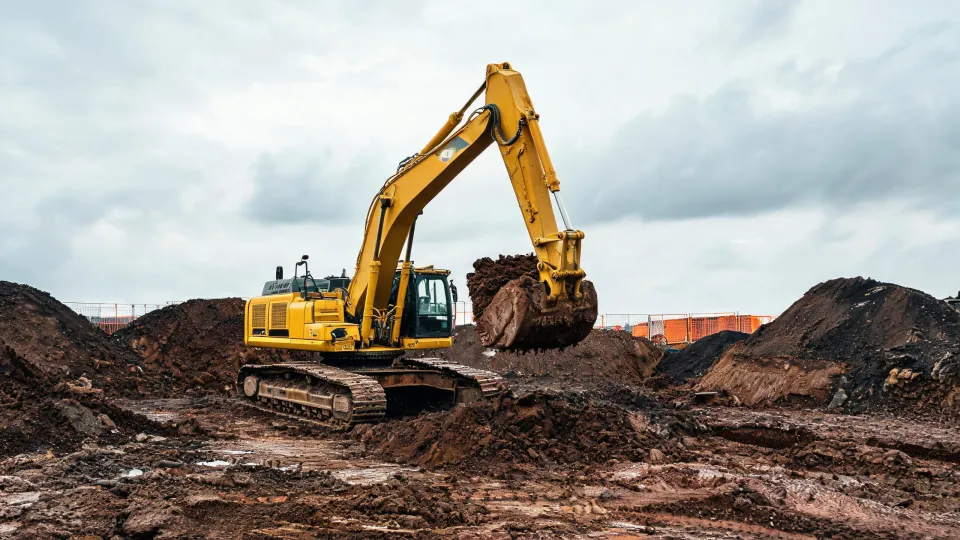
If you're sourcing Komatsu equipment—whether it's a single PC300 excavator or a bulk order of skid steer loaders—this checklist applies to you. I manage equipment procurement for a company with about 380 employees across three locations. We spend roughly $180,000 annually on heavy machinery and parts. This is the process I actually use, not the version that makes procurement sound simpler than it is.
Seven steps. Each one has a checkpoint. Skip any of them at your own risk.
Step 1: Define Your Specs Before You Talk to Anyone
Write down the actual working weight, bucket capacity, maximum dig depth, and engine horsepower you need. These aren't negotiable numbers—they're your baseline. The mistake I see most often is letting the dealer define your requirements for you.
For a Komatsu 300 excavator—say a PC300-8 or PC300-11—that means knowing whether you need standard or long undercarriage, what hydraulic flow your attachments require, and how many units you'll realistically need over the next 24 months.
If you don't know the exact specs, get quotes from two independent sources. The difference between them will tell you what the market actually offers versus what one vendor wants to sell you.
Step 2: Understand the Distributor Landscape in Your Region
Komatsu equipment moves through authorized dealers and independent importers. They are not the same thing.
Authorized dealers have direct factory relationships, guaranteed parts access, and service networks tied to the OEM.
Independent importers sometimes offer used or parallel-imported machines at lower prices, but parts availability can be inconsistent and warranty support may not transfer.
In 2023, I spent six weeks verifying whether an importer was actually authorized. They weren't. They were selling gray-market machines with no factory support. That's the kind of thing you only learn by checking directly with Komatsu's regional office.
Before any meeting, verify authorization status. It takes one email.
Step 3: Check Parts Availability—Every Single Time
This is the step most buyers skip. I did, and it cost me.
We bought a used PC300-7 at a good price. Then a hydraulic pump failed. The part sat in customs for six weeks. The vendor said "two weeks, max." It was closer to seven. The machine was down for almost two months.
Before you sign anything, ask:
- Do you stock parts locally or order from the factory?
- What's your average lead time for hydraulic components?
- How many times in the past 12 months have you had a backorder?
- Can you provide a parts catalog lookup for the specific model?
If they hesitate on any of these, that's your answer.
Step 4: Decide OEM vs. Private Label—Strategically, Not Emotionally
This is the first real decision you'll make, and it's worth getting right.
OEM parts (Komatsu genuine) fit perfectly, carry the manufacturer's warranty, and come with documented quality control. They also cost 30-50% more than alternatives.
Private label alternatives can save 40-60%, but quality varies wildly. Some are excellent. Some are refurbished OEM parts sold as new—and you won't know the difference until something fails.
My rule: OEM for engine, hydraulic, and final drive components. Private label for bucket teeth, filters, hoses, and other wear items. That balance has saved us roughly $18,000 annually without a single reliability issue.
What most people don't realize is that some private label suppliers buy rejected OEM batches and resell them without disclosure. Ask for batch traceability if the price seems too good.
Step 5: Calculate Total Cost of Ownership for Bulk Skid Steer Loaders
Buying a bulk skid steer loader order is different from buying one machine. The sticker price is maybe 60% of what you'll actually spend over five years.
Here's what to factor in:
- Parts: $2,000–$3,500 per unit annually for wear items and unexpected failures
- Maintenance: 500-hour service intervals—calculate based on your actual usage hours
- Tires or tracks: Replacement every 1,500–2,500 hours depending on terrain
- Downtime: If a machine is critical to daily operations, each day down can cost $3,000–$5,000 in lost productivity
Ask the distributor: "What's the average downtime for this model in real fleet conditions?" If they can't answer with data, find someone who can. This is where the cheapest unit price often becomes the most expensive decision.
Step 6: Audit After-Sales Support in Person
I flew 700 miles to inspect a supplier's facility in 2022. Their online presence looked solid. In person, half the parts warehouse was empty, there were no organized bins, and three machines sat waiting for engines that hadn't arrived in months.
What to look for on-site:
- Parts inventory—physically verify stock levels for common failure items
- Service bay organization—are jobs tracked or just stacked?
- Technician certifications—how many are trained on current Komatsu models?
- Response time logs—ask to see actual records, not verbal promises
If they claim "all our techs are factory-trained," ask for training dates and certificate numbers. Most can't produce them.
Step 7: Negotiate the Contract, Not Just the Unit Price
If you're buying more than one machine, you have leverage. Use it on the terms that actually matter.
Three things to push for:
- Parts pricing tiers—commit to volume, get locked-in discounts
- Service response guarantees—write specific hours into the contract, not "as soon as possible"
- Delivery scheduling—stagger deliveries to match your cash flow and storage capacity
I negotiated 8% off a PC300-11 order and a 24-month parts price freeze by committing to a three-year purchase plan. The key was having two competing quotes ready and being willing to walk.
Common Mistakes to Avoid
Assuming "standard lead time" means anything. It's their production queue, not your delivery date. Get a specific date in writing.
Skipping the parts budget. Once a machine is down, you'll pay whatever it takes. Plan ahead.
Treating OEM and private label as interchangeable. They're not. Decide by component category, not by price alone.
Ignoring cross-border logistics. If parts ship internationally, customs can add weeks. That hydraulic pump taught me to factor logistics into every timeline.
Trusting remote evaluations. Phone calls and emails won't show you an empty warehouse. Go see it.
The difference between a smooth equipment purchase and a costly mistake usually comes down to doing the boring verification work before signing. Every step above exists because I learned it the hard way—or watched someone else learn it at even higher cost.