How We Sourced Komatsu Excavators and Dozers for a Spring Fleet: A Procurement Story
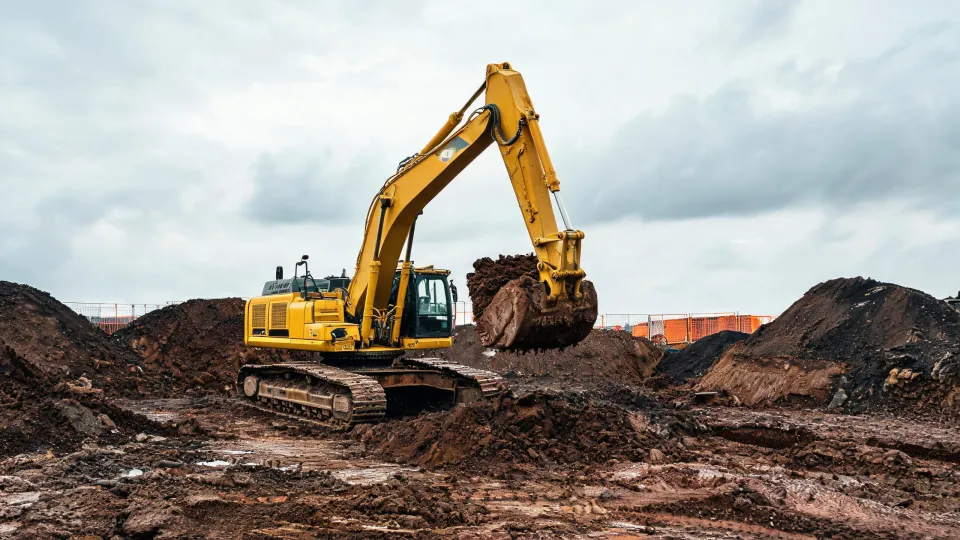
October 21, 2024. I remember the date because a quote arrived in my inbox with the subject line, 'Your Komatsu excavator order — updated pricing.'
I manage procurement for a 52-person construction and equipment rental company in Ohio. I've handled our equipment budget—normally between $1.1M and $1.4M annually—for 6 years, and I keep every quote, invoice, and machine-hour record in a cost tracking spreadsheet. When a big number arrives, I compare it against something, not just against hope.
Last fall, we needed to add equipment before the 2025 construction season. The list included two Komatsu PC210 excavators, one D51 dozer, three compact loaders for our rental fleet, and six backhoe loaders that we intended to sell wholesale to contractors. The Komatsu items were straightforward on paper. The way we sourced them, though, changed how I think about the whole order.
Why a 12% discount almost didn't survive reality
Our purchasing policy requires three quotes for any order over $50,000, so I sent the same spec sheet to three places: our authorized Komatsu equipment dealer, a regional used-and-new reseller, and an online broker. The broker came back with the lowest price on the two excavators and the dozer. I won't quote the exact price—I might be misremembering the decimals—but the gap was enough to get everyone's attention: around 12% below the dealer.
I typed the numbers into the spreadsheet. The model numbers matched. The delivery windows matched. The columns said the broker's quote was the rational choice. My gut said otherwise.
Why? Because every question I asked the broker came back a little too fast and a little too vague. Where is the machine located? 'In a warehouse in the region.' Can you provide the serial numbers? 'After deposit.' Does the price include the full manufacturer warranty? 'Standard warranty applies.' I know from experience that 'standard warranty' can look very different at 9 PM on a Tuesday in a small Ohio town.
So I asked for details in writing. That's where the discount started to crack. The 'free delivery within 300 miles' meant free delivery to a freight terminal 298 miles from our yard. The standard warranty covered parts but not labor. The 30-day delivery was an estimate, not a commitment. And the emissions documents? The email went quiet for four days.
We calculated the total landed cost, not the quote price. What I mean by total cost is not just the invoice amount—it's the last-mile freight, the rigging, the missing labor coverage, the time your branch manager spends on hold, and the risk of a machine arriving late for a project that has already paid for its schedule. After we added those line items, the broker's 12% advantage shrank to less than 3%, and that 3% didn't include a local parts counter, a service manager who knows our fleet, or a warranty that somebody would answer in person.
I'm not here to say every broker is a bad idea. Some are solid. But when you're buying Komatsu equipment that will run 1,500 to 2,000 hours a year, the person who answers the phone after the sale matters more than the person who sends the invoice.
Dozer sourcing: what the used-equipment comparison taught me
The dozer part of the order took another path. A used dozer at an online auction was listed at about 40% below new, which made everyone in the office lean toward saving money. Dozer sourcing is slower than excavator sourcing because a used bulldozer can look great in photos while the undercarriage hides years of deferred maintenance.
I asked for maintenance records. The seller's reply was, 'I think we have some somewhere.' That phrase, in my experience, costs more than any option I've ever bought.
I want to be fair: used equipment makes sense when you run low hours, have a mechanic you trust, or need a machine for a specific job that doesn't justify new iron. But if you're buying dozers at wholesale for a rental fleet, you need history you can hand to the next person. A dozer without records doesn't save money; it just transfers risk to the least prepared owner.
We also had to verify emissions. Non-road diesel equipment is regulated by the EPA under standards that depend on model year and horsepower. The dealer's quote included the current emissions tier and the paperwork for each machine. We asked for the same from the broker; we never got a clear answer. If you're sourcing dozers, check the EPA's non-road diesel pages (epa.gov) and ask for the emissions label before you ask for a discount.
The Komatsu equipment dealer who told us not to buy from him
By November, we were close to a decision. Our local authorized Komatsu equipment dealer had the best overall package for the excavators and the dozer. Before signing, I had one more request: could they include the six backhoe loaders in the same order? Consolidating freight and warranty admin would save money and simplify payments.
The sales manager—a guy who has sold Komatsu equipment for maybe 15 years—paused. Then he said something I didn't expect.
'I'll quote you a backhoe if that's what you want. But I'd rather not. For six wholesale units going to outside operators, you should be talking to someone whose whole business is backhoes. Their parts network and resale values are stronger here. I can introduce you. I'd rather you buy those from them and come back to us when you're ready for the next excavator.'
That is a professional boundary. It's the opposite of the 'we can do everything' pitch you get from suppliers who want your signature before they care about your operation. The vendor who says 'this isn't our strength—here's who does it better' earns trust for everything else.
He didn't lose the whole order. He earned it. We signed the purchase order for the Komatsu excavators and dozer the same week. And he was right about the backhoes.
The conversation about compact loaders followed the same theme. For the three machines going into our rental fleet, we had asked about private-label and OEM options. He told us the truth there as well: the name on the machine matters less than the drivetrain and the dealer network behind it. If a skid steer loader OEM has solid support and our mechanics can get parts locally, the machine will carry our label well. If not, no decal will save it.
How to choose a backhoe for wholesale
After that meeting, we used his two referrals plus our own research to make the backhoe decision. Choosing a backhoe for wholesale is not the same as choosing one for your own crew. You're buying for people you may never meet, so the machine needs to be easy to own, not just easy to sell.
Four things mattered to us. Service network: where is the nearest dealer for the counties where these machines will end up? Cost per hour: what does routine maintenance and the occasional repair look like over four years? Resale: what do similar units bring at auction after 4,000 to 6,000 hours? And written support: what does the warranty cover, parts only or parts and labor, and who commits to the delivery date? If a supplier can't state those limits in writing, you'll discover them later.
We bought the backhoes from one of the specialist manufacturers he recommended. Not because he suggested it, but because those machines came out best on our spreadsheet: dealer locations within 100 miles of our customers, better parts availability, and stronger auction values.
Delivery, doubt, and the machines that showed up on time
We signed the purchase order in late November. The moment I clicked send, I started second-guessing. Should we have split the order between the authorized dealer and the reseller to keep two relationships warm? What if the dealer's January delivery slipped? Those two months were stressful in the way every big equipment purchase is stressful.
The machines arrived on January 27, 2025. All three—two PC210 excavators and one D51 dozer—had the right serial numbers, the right model year, and the emissions paperwork in a folder inside the cab. Watching them roll off the trailer, I felt the kind of relief that doesn't show up on a quote.
Lessons I'll keep using
If any other procurement person asks what I learned from this order, I'd shorten it to this.
Ask what the supplier won't sell you. The answer tells you whether they understand their own strengths—or just want your money. Then give a quote enough time to show its real cost. A 12% price difference isn't the price difference once you add freight, support, and confidence.
And verify claims with official sources. For engine emissions, that means the EPA's non-road diesel pages. For machine specifications, pull the manufacturer's current spec sheet—Komatsu posts figures for its excavators and dozers on Komatsu.com. For 'full warranty' or 'free delivery,' the FTC's advertising guidance says claims need substantiation (ftc.gov). In equipment buying, substantiation is not a slogan. It's a signed line in the purchase order.
I still buy from that same Komatsu equipment dealer, and the relationship is stronger than before. Next time the backhoe question comes up, I already know his answer: 'Here's who does it better.' That's not a flaw in his sales strategy. It's the reason I keep coming back.