I Bought a Cheap Compact Track Loader First. A Komatsu Mini Excavator Taught Me the Right Way to Buy
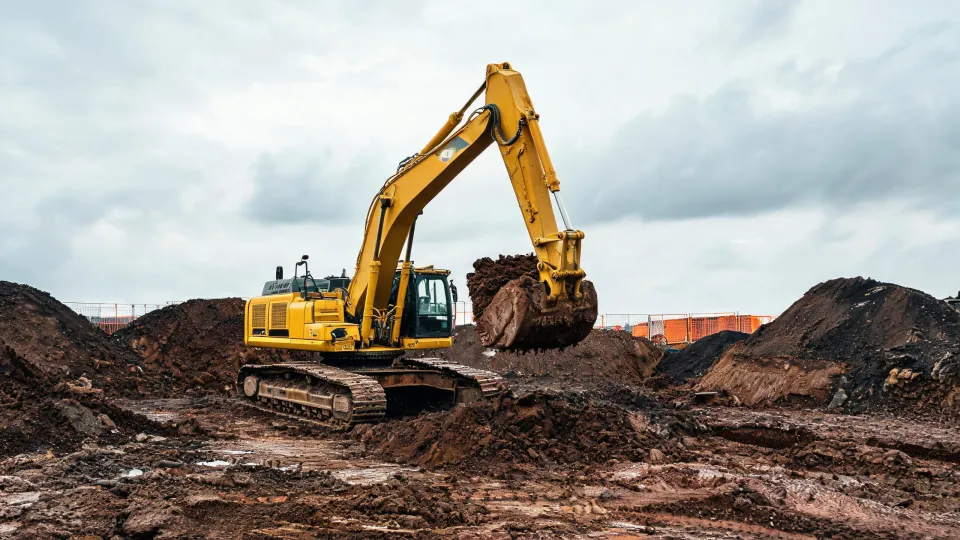
Let me start with what I should have done in March 2024. It might save you from the same invoice headache I brought on myself.
I'm the office administrator for a 320-person site development company. My title doesn't say "equipment buyer," but anyone who handles purchasing for a company like ours ends up doing that job anyway. I manage around $2.5 million in annual ordering across 15 vendors—from office supplies to high-end compact equipment. I report to both operations and finance, which is exactly as fun as it sounds.
When the Office Administrator Got the Call
When I took over purchasing in 2020, my main job was keeping the office from running out of paper and making sure invoices matched purchase orders. Two years later, I'd consolidated our office and maintenance suppliers from 23 to 15. I knew how to verify a vendor's invoicing capability and whether they carried enough inventory. I did not know how to buy a compact excavator. That turned out to matter.
One morning, our operations VP walked over to my desk. "We need a mini excavator and a compact track loader," he said. "The crew is falling behind on the Northside project. Find a supplier and make it happen before the next phase."
I didn't know a mini excavator from a skid steer at that point. But I did know how to compare quotes, so I typed every search variant I could think of: Komatsu mini excavator, Komatsu excavator specs, compact track loader supplier, and even "bulk steer loader"—because that's what a nervous buyer does at 11 p.m. The results were overwhelming. There were national dealers, regional distributors, and at least one supplier promising low prices "if you act now."
The Quote That Looked Great on Paper
The cheapest quote for the track loader came from a compact track loader supplier I'd never heard of before that search. The machine in the brochure looked perfect. The salesman said the final drive was "standard." I wrote that down and moved on, because standard sounded like the kind of thing that would keep our mechanics from pulling their hair out.
That was my first mistake.
"Standard" meant something different to them than it meant to me. I meant the machine should match the basic specs our operators were used to. They meant "the one we call standard, which only we carry." We discovered this after the loader arrived and none of our existing attachments fit the quick-attach system. The coupler was a different brand. We were using the same word but meaning completely different things.
The Turning Point: Hidden Costs and a Missing Relay
The loader worked for about 300 hours—or rather, it worked for the first 300 hours, and then the rear main relay failed. The supplier said, "We'll get a part out to you in 10 to 14 days." That was their actual answer.
We lost two weeks of work on that rental unit. And the invoice for the machine itself wasn't the final number either. By the time I added freight, a coupler adapter, and a "setup charge" that appeared out of nowhere, the total came to about 18% more than the original quote. Not one of those cost items had been listed upfront.
To be fair, the compact track loader supplier wasn't trying to cheat me. They assumed I already knew what I was buying. I nodded at phrases like "standard final drive" and "competitive hydraulic capacity," signed the order, and didn't ask what I didn't know. If you ask me, that's where most equipment purchasing mistakes start.
I still kick myself for not asking about parts availability before I signed. I had the operator's manual in front of me and a search history full of Komatsu excavator model numbers. If I'd spent half that energy calling local parts departments, I'd have saved us the rental bill—which was painful enough that my operations VP called it "an expensive lesson."
How We Ended Up With a Komatsu Mini Excavator
For the second half of that order, I chose a different path. I called an authorized Komatsu dealer and asked for a distributor buying guide—not just a quote. The product manager, Terry, asked what our crews would be doing with the machine. I told him. He then handed me a quote that included the auxiliary hydraulics package, the thumb, the quick coupler, and the parts availability details for our region.
Terry pulled up the manufacturer's configuration sheet on his laptop and walked me through it line by line. According to that sheet, the final drive came in multiple specs, and the wrong one would shorten service life. He also explained why a machine's spec sheet isn't the same as a configurable order. He said something I've repeated to every procurement person I know: "The lowest quote you get today can be the most expensive after you add what's missing."
We bought the Komatsu mini excavator from him. In the first year, we've had no unscheduled downtime on that unit—well, none so far, and I'm not going to jinx it by making promises. The point isn't that any brand is perfect. It's that we knew exactly what we were paying for, and the dealer has a full-line parts inventory. That same distributor covers Komatsu excavators, wheel loaders, bulldozers, forklifts, and the parts we need for all of them. For finance, that means one invoice instead of four. For me, it means I don't get surprises in my expense report.
A Compact Excavator Distributor Buying Guide, Based on My Mistakes
If I had to write the compact excavator distributor buying guide I wish I'd had in March 2024, it would start with these four lessons:
- Ask "what's not included" before you ask the price. I've learned to do this on every quote. The supplier who lists fees upfront—even if the total looks higher—usually costs less in the end.
- Check local parts and service before you check the paint. In my opinion, this is where compact equipment is won or lost. A machine that sits for two weeks is more expensive than any discount you got.
- Verify the final drive and quick-coupler specifications against your existing fleet. Don't assume "standard" means what it means to you. Get model numbers in writing.
- Work with a full-line distributor if you can. Our dealer covers everything from compact track loaders to mini excavators and the parts between them. That simplified our process and made compliance checks easier for finance.
"I believed the quote was the final price until the first one wasn't. Now I reverse the process: I verify support and total cost first, then I talk about discounts."
The Takeaway That Actually Changed My Process
Everyone told me to check the dealer network before buying equipment. I didn't listen. The rental bill taught me what they meant.
If you're looking for a compact track loader, a Komatsu mini excavator, or any machine from a compact excavator distributor, make the total cost visible before you sign. The quote that hides fees isn't a lower price—it's an open tab. And if a salesperson ever says "standard" when talking about a final drive, ask them to write the part number down. You don't want to be the office administrator who learns that lesson the expensive way.