I Evaluated Mini Excavator Manufacturers for Six Months. The Winner Wasn't the One With the Lowest Price.
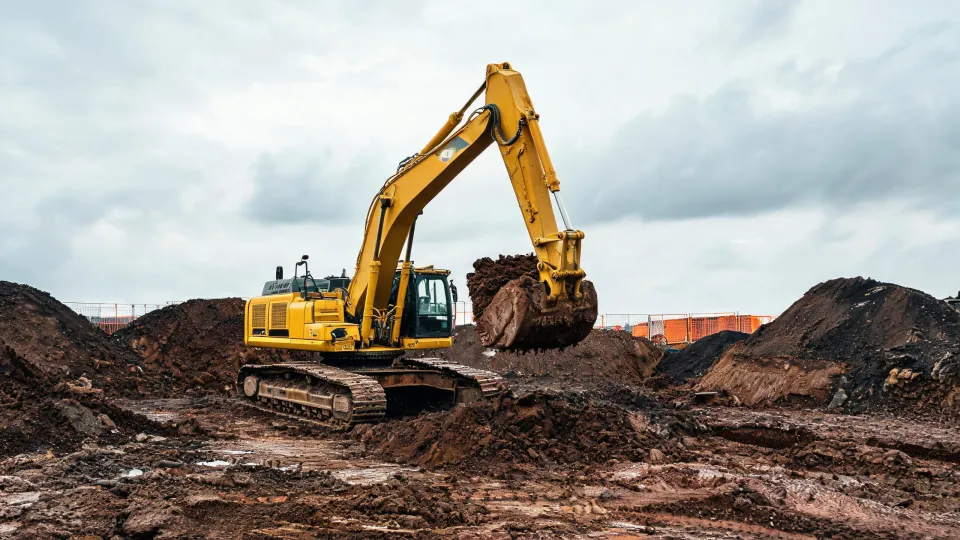
I’m not a Komatsu sales rep. I’m the person who writes the purchase orders, explains over-budget variances, and reorders parts when a machine sits in the shop too long. At our 120-person equipment distribution company in the Southeast, I manage an annual inventory procurement budget of about $2.4 million. I’ve negotiated with 11 different manufacturers over the past seven years and tracked every order in our ERP system. That background matters because this is not a review written from a brochure. It’s what happened when we evaluated mini excavator manufacturers for six months and ended up surprising ourselves.
The Request That Started It
In February 2024, our rental manager walked into my office with a utilization report. “Contractors are asking for mini excavators almost every week, and we’re sending them to a national rental chain,” she said. “If we buy ten, they’ll be rented enough to pay for their own replacement parts.”
I agreed with the demand but not with her optimism. Renting is not buying. I had to make sure we were evaluating mini excavator manufacturers, not just the first sales rep who returned a call.
At the same time, our compact loader line was under pressure. We already had a skid steer loader supplier, but their lead times had stretched and parts availability was slipping. The operations team asked for an alternative “steer loader supplier”—in their shorthand, that meant both skid-steer and compact track loaders. We didn’t have a formal process for evaluating this kind of supplier risk. We had simply used the same loader supplier for years because it was easy.
That was the first lesson: a lot of dealer decisions are based on inertia, not analysis. We had reorders, not reviews. And inertia is expensive.
How We Almost Picked the Wrong Manufacturer
In Q2 2024, I built a proper supplier scorecard. We invited six manufacturers to quote. The list included three compact-equipment specialists and three full-line global manufacturers. Komatsu was one of the full-line companies.
Our first scorecard rewarded the things we could measure quickly: base price, warranty, and standard specifications. A compact specialist came out 11 percent lower on initial machine price. For a cost controller, that is hard to ignore. I kept pushing their name to the top of the spreadsheet.
Then I made myself slow down. Initial price is not total cost. The real question is what a machine costs after freight, financing, parts, downtime, training, and resale. That’s where my opinion started to shift.
For years, I believed that buying from a large full-line OEM meant paying for overhead I didn’t need. That assumption is backwards in many cases. A specialist with fewer models spreads its risk across a smaller product base. If that manufacturer stumbles, the entire line slows down. A full-line manufacturer can absorb disruption better because it has more volume and more distribution.
That’s what led me to a weird research habit: reading Komatsu mining news today. Not because we’re a mining dealer. I did it because a supplier’s balance sheet is part of my total cost model. If a manufacturer is investing heavily in mining trucks and autonomous haulage, does that help a small excavator buyer? I used to think no. After this review, I think the answer is yes—not because mining machines make compact machines dig better, but because mining investment builds the global parts and service infrastructure that compact equipment relies on.
I also corrected a bias I had carried for years. I thought of Komatsu as a mining-excavator manufacturer, not a compact equipment manufacturer. But when I looked at their North American product lineup, I found Komatsu excavator models ranging from compact sizes up to much larger mining-class machines, plus loaders and dozers. That range matters. When a customer outgrows a mini excavator, we don’t have to switch them to another brand.
“A mini excavator that waits for parts doesn’t generate revenue.”
How to Evaluate Mini Excavator Manufacturers Without Getting Stuck in an Excel Trap
If you’re late in a similar search, here is what actually moved the needle for us:
- Compare total landed cost, not list price. The lowest quote lost its advantage after freight, initial parts stock, dealer training travel, and warranty administration were added.
- Ask for committed parts fill rates. One supplier danced around the question. Komatsu’s team put service-level commitments in writing.
- Check how training actually works. A 20-minute video is not enough when a technician is diagnosing a hydraulic problem for the first time.
- Stress-test supplier strategy. Ask what happens if the product line underperforms. Is the manufacturer likely to stay in the compact market for ten years? That question eliminated more than one supplier.
- Model downtime realistically. If a machine is down for ten days, what does that cost in rental revenue, technician labor, and customer goodwill? Most price-based evaluations forget this.
This is not a six-sigma audit. It’s a no-nonsense cost review. But it changes the way you see a quote.
Why Komatsu Got the Pilot Order
By October 2024, our scorecard had a clear winner. Komatsu was still not the cheapest option. In fact, their delivered quote was about 6 percent higher than the compact specialist’s base price. But after I added the costs that actually matter, the gap almost disappeared. And when I added our conservative downtime assumption, Komatsu came out lower over five years.
That sounds counterintuitive, so let me explain. The cheaper machine was coming from a manufacturer with a thinner dealer network in our region. If a part had to be shipped from across the country, every day of delay ate into the rental rate. The Komatsu excavator line is supported by a dealer network that already stocks common filters, seals, and wear parts for many models. For us, that availability is worth money.
The loader part of the decision followed the same logic. We didn’t just need a skid steer loader supplier; we needed a compact loader partner who could support us as the rental fleet grew. When the operations team asked for a dependable “steer loader supplier,” they meant a manufacturer that could supply machines, service training, and parts without a two-week wait. Consolidating loaders and mini excavators under one qualified supplier simplified our parts wall and reduced the number of dealer agreements we had to manage.
We placed our first order in November 2024. It included compact Komatsu excavators and a small group of compact loaders. We didn’t order dozens of machines. We ordered enough to test the relationship. The pilot is still running, and I’m happy with how the conversation has gone so far.
Prices from our December 2024 quotes and dealer agreements are only valid for our region and our negotiation. Your pricing will likely be different. But the evaluation process should be the same.
What I’d Do Differently Next Time
I still like saving money. I still start with price because it is a useful anchor. But now I finish with five-year cost models, supplier stability, and a checklist that includes things I used to call soft.
If you’re trying to evaluate mini excavator manufacturers today, don’t let the lowest base price make the decision for you. Ask the hard questions about parts, training, and long-term commitment. In our case, Komatsu answered those questions better than any other manufacturer we reviewed.
I’m not asking you to put Komatsu on every order. I’m asking you to evaluate the way an informed dealer would: on total cost, support, and staying power. Because at 4:30 p.m. when a rental machine won’t start, the promise on the brochure doesn’t help. The supplier behind it does.