Stop Buying Machines: The 'Brand Doesn't Matter' Advice Is Costing You Six Figures
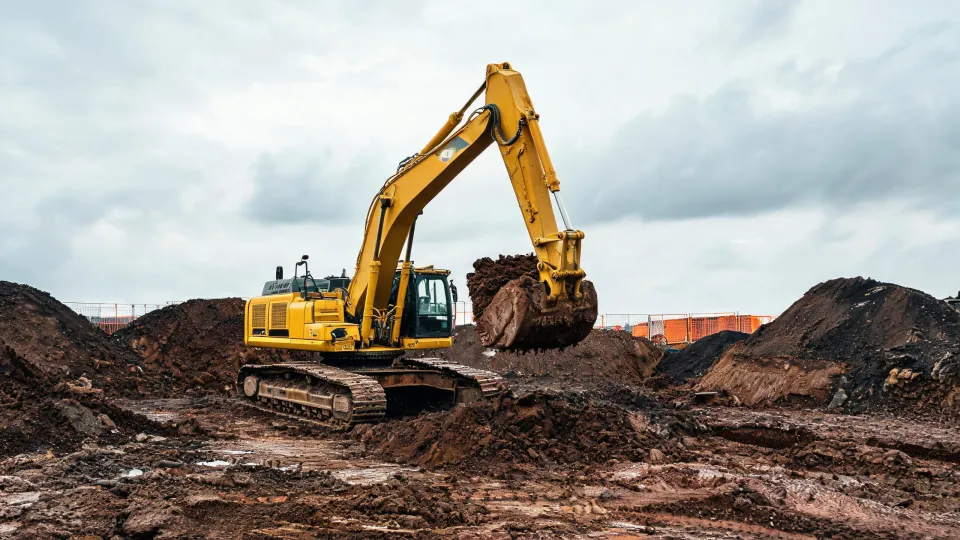
The Most Expensive Lie in Equipment Procurement
I'm going to say something that'll annoy a lot of procurement managers: "Buy the machine, not the brand" is lazy advice that's quietly draining your budget.
I know because I believed it. I ran our fleet acquisition strategy around it for three years. And in that time, I personally approved six orders that looked smart on a spreadsheet and cost us roughly $47,000 in hidden penalties—parts delays, diagnostic lockouts, resale gaps, the whole ugly menu.
What changed? The machines didn't. The ecosystem around them did. And most procurement checklists haven't caught up.
The Illusion of the Level Playing Field
It's tempting to think that a hydraulic excavator is a hydraulic excavator. Steel is steel, engines are engines, and if the spec sheet matches, you're comparing apples to apples. But the complexity is that modern equipment isn't mechanical anymore—it's a software platform with a bucket attached.
In 2017, I ordered twelve aftermarket final drives for a batch of PC200s. Saved about $6,400 versus OEM pricing. Six weeks later, one machine threw a travel motor fault. Then another. The gear hardness on those drives was off by 12% from spec—close enough to bolt on, not close enough to survive our clay-heavy site conditions. We replaced four drives under emergency conditions, lost 37 production hours, and ate $8,900 in parts and labor.
That was when I started tracking a different number: the cost of getting it wrong.
Why 'Komatsu' Still Means Something in 2025
I'm not saying this as a brand loyalist. I'm saying it as someone who's had to explain to a fleet owner why his "identical spec" machine from a lesser-known manufacturer sat idle for eleven days waiting on a proprietary sensor.
The data backs this up. According to Ritchie Bros. auction results from Q4 2024, a 2019 Komatsu PC360LC-11 with 4,200 hours sold for approximately 18% more than comparable units from non-tier-one brands—not because the iron was better, but because buyers knew parts availability and dealer support wouldn't be a gamble.
That's residual value you can bank. The savings from buying cheaper evaporate the moment you try to sell.
"We've caught 23 potential specification mismatches using a 14-point pre-purchase checklist over the past 18 months. Each one would have cost between $2,000 and $15,000 to fix after delivery."
The OEM vs. Private Label Question Nobody Answers Honestly
Here's where it gets uncomfortable. If you're sourcing steer loaders or mini excavators and someone offers you a private label option at 20% below OEM pricing, the question isn't "is it the same machine?" The question is: what's missing from the support package?
I learned this in March 2023 when we evaluated a private label skid steer loader program. Unit price looked great—$8,200 less than the OEM equivalent. But when I asked for the diagnostic software licensing terms, the response was, "We can provide fault code definitions upon request."
Translation: every time a sensor triggers, you're emailing someone and waiting. That's not a machine problem. That's a workflow problem. We passed on that deal, and I'm glad we did—I later heard from a dealer who took a similar offer and was waiting 5-7 business days for fault code interpretation on a machine that was supposed to be running daily.
The fundamentals haven't changed (parts, service, uptime matter). But the execution has transformed—and private label programs that don't offer full diagnostic access are selling you a machine, not a solution.
What I Check Now (The 14-Point List, Shortened)
I'm not going to pretend this is exhaustive. But when I evaluate any equipment purchase—new, used, OEM, or private label—these are the non-negotiables:
- Diagnostic software access: Can I read fault codes without calling the manufacturer? If not, the answer is no.
- Parts lead time (verified): Not "typically 3-5 days." I want a dealer commitment with a name attached.
- Resale history: What do comparable units sell for at auction? If the data doesn't exist, that's a red flag.
- Technical documentation: Full service manual, hydraulic schematics, and wiring diagrams. Not "available upon request."
These aren't brand loyalty tests. They're risk management. And in 2025, they matter more than the spec sheet.
What About Budget Constraints?
I get it. Money is tight, and that private label or used option looks like the responsible choice. But there's a difference between saving money and deferring costs. The $6,400 I saved on final drives in 2017 cost me $8,900 in repairs and a week of downtime. The $12,000 we saved on a non-Komatsu excavator in 2021 cost us $18,000 at resale.
Total cost of ownership—not unit price—is the number that matters. And that number includes the brand ecosystem, whether you want it to or not.
My Position, Unchanged
So here it is: In 2025, the brand IS part of the machine. The parts network, diagnostic access, dealer support, and resale value aren't "soft benefits" you can bolt on later. They're baked into the asset from day one.
I'm not saying you should pay a premium for a logo. I'm saying you should pay for an ecosystem—and then verify it's actually there before you sign. That distinction has saved me from at least three bad deals in the past year alone.
I learned this the expensive way. You don't have to.