The Real Price of a Komatsu Excavator Isn’t on the Spec Sheet
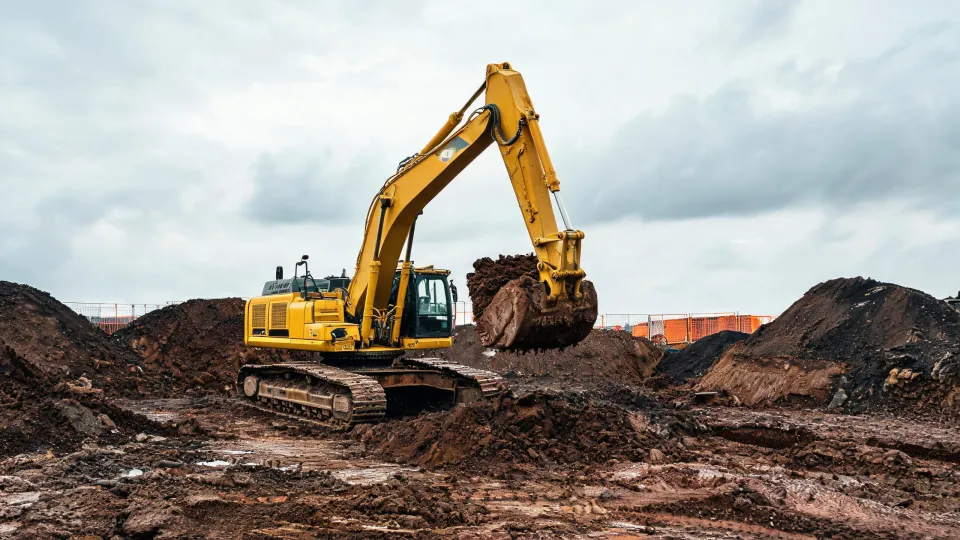
Last month, a dealer called and asked a simple question: “What’s the Komatsu excavator price?” I gave him a range from our most recent orders. He said, “Can you just give me a number?”
That short exchange is the problem. The number he wanted doesn’t exist until the machine is defined.
I say that as the quality and brand compliance manager at a construction equipment distributor. I review every spec sheet before it reaches customers—roughly 150 orders a year. I’ve rejected 12% of first deliveries in 2024 because the unit on the lot didn’t match the unit on paper. The gap wasn’t always the factory’s fault. Sometimes, it was the buyer’s spec.
Let me unpack that.
You’re Not Asking the Right Question About Komatsu Excavator Price
Komatsu excavator price is not a fixed number. It changes with bucket configuration, digging depth, final drive model, couplers, warranty terms, freight, and a dozen line items that don’t fit into a one-line quote.
A dealer who wants a wholesale quote can ask for “the Komatsu excavator price,” but I can’t answer until I know: What’s the target operating weight? Does the order include the hydraulic quick coupler? Which final drive option? Are we shipping to a port or to your lot? Is this a fleet order or a single unit?
None of those questions are games. They’re the difference between a machine that makes money and a machine that sits in a service bay.
Why does this matter? Because the base price is the least useful number on a quote. What matters is the spec-to-price match. And that only gets harder as orders get bigger.
The question isn’t “What’s the price?” It’s “What exactly are you pricing?”
Private Label and Bulk Dozer Orders: Where the Real Risk Lives
When a dealer orders a compact track loader private label package, the machine carries the dealer’s brand. That changes everything. The dealer can’t tell the end customer to call the factory. The dealer owns the warranty experience. The dealer owns the reputation.
So the real question isn’t “What’s the unit cost?” It’s “What’s the acceptance standard?”
Same for a bulk dozer order. You can negotiate a lower unit price at 30 units. But every spec deviation is also multiplied by 30. A blade mount that’s 2 mm off on one unit is a bigger problem when you have 30 identical machines and every one needs rework.
Another thing that catches people off guard: minimum order quantities. A compact track loader private label program often requires a commitment to a certain number of units per year. The price per unit drops, but the risk of slow-moving inventory shifts to the dealer. That’s a cost too, even if it doesn’t appear on the invoice.
I learned the hard way that we didn’t have a formal approval chain for private-label spec changes. The third time a “minor adjustment” showed up without our sign-off, I created a verification checklist. Should have done it after the first.
The most frustrating part of equipment procurement is that the same specification gaps reappear. You’d think a written spec prevents misunderstandings, but interpretation varies wildly. One factory’s “standard final drive” is another factory’s budget option.
That’s why I’ve started to ask a different question before I ever ask for a price: “What’s NOT included?”
The vendor who lists every fee upfront—even if the total looks higher—usually costs less in the end. In my experience, that’s true whether you’re sourcing one Komatsu excavator or a full private-label compact track loader line.
What Poor Price Transparency Actually Costs
Let me give you a concrete example.
Last spring, we approved a private-label compact track loader order based on a base price that looked excellent. The spec said “industry-standard final drive.” We approved it without defining the flange dimensions in the contract.
When the first unit arrived, the final drive didn’t fit the mounting plate. The vendor said it was “within industry standards.” Our service team said it was a week of fabrication to make it work.
That quality issue cost us a $22,000 redo and delayed our launch by a month. (Should mention: we’d switched suppliers the previous year, and the old one had never had that problem.)
Before you ask, yes, I’ve also weighed the cheaper final drive option. The upside was about $3,000 per unit. The risk was a joint failure after six months of hard use. I kept asking myself: was that worth potentially losing a relationship over a machine that stops working in the middle of a season? The expected value said the cheaper part would probably make it through the warranty period. The downside felt too big. We went with the better part. That’s the kind of decision that never shows up in a cost guide, but it determines what you actually spend.
Dodged a bullet earlier this year, though. I insisted on written confirmation of the blade hydraulics for a 12-unit bulk dozer order. The verbal quote was $4,000 lower, but it excluded the hydraulic spool configuration. One written email saved us $48,000 in surprises.
Last year, a client wanted 18 bulk dozers quoted before the end of their fiscal year. Had two days to decide. Normally I’d take a week to verify specs and compare final drive options. There was no time. I went with our existing spec sheet and asked the factory to sign it as-is. It wasn’t perfect, but it was better than a vague quote. In hindsight, I should have pushed back on the timeline. With the client waiting, I made the call with available information.
Bulk orders amplify both savings and mistakes. The downside feels like the whole deal is on the line. Because it is.
A Backhoe Loader Wholesale Cost Guide in One Paragraph
If you’re looking for a backhoe loader wholesale cost guide, here’s the short version: don’t chase the average price per unit. Chase the total cost of your spec decisions. A backhoe loader with a standard bucket is not the same machine as one equipped for production digging. The price difference is easy to see. The performance difference shows up in the field.
If someone tells you that a “backhoe loader wholesale cost guide” can give you a one-number answer, ask what they measured. Is it current-year production? Does it include the backhoe attachment? Does it include a cab? An open-cab machine with no options is a different product from a sealed-cab, HVAC-equipped unit. The list goes on.
If you’re sourcing for a rental fleet, the spec questions are different. Rental units need robust cabs, easy service points, and consistent parts availability. A machine that’s great for a contractor may be wrong for daily rental abuse.
Per FTC guidelines (FTC Business Guidance on Advertising, ftc.gov), pricing claims need to be truthful and not misleading. A wholesale quote that quietly excludes the final drive assembly, freight, or private-label packaging doesn’t meet that bar. It’s not a price. It’s the beginning of a negotiation.
I’ve learned to ask “what’s NOT included” before “what’s the price.” That single habit has saved more money than every discount we’ve negotiated combined. At least, that’s been my experience with wholesale equipment orders.
The Fix: Specs First, Price Later
The solution isn’t complicated, but it requires discipline.
- Write the complete spec before you request quotes.
- Define the acceptance criteria—including tolerances for critical parts like final drives and mounting plates.
- Ask for a line-item price that includes every component, freight, packaging, and inspection step.
- Put the spec and acceptance criteria into the contract. Not an attachment. The contract.
Then ask for the Komatsu excavator price. You might like the number less. But you’ll spend less in the long run.
That’s not a slogan. That’s the difference between a quote and a trustworthy deal.